

Featured image: Keith Haring, Pop Shop – AM/FM Radio with box, 1985, red transistor radio, paper, plastic. The radio was functional differing from the Kiki Smith radio to the left made from wood, paint and a leather strap. Keith Haring’s Pop Shop project ran in NYC from 1986-2005, and in Tokyo from ‘86-’88.
Frank Juárez
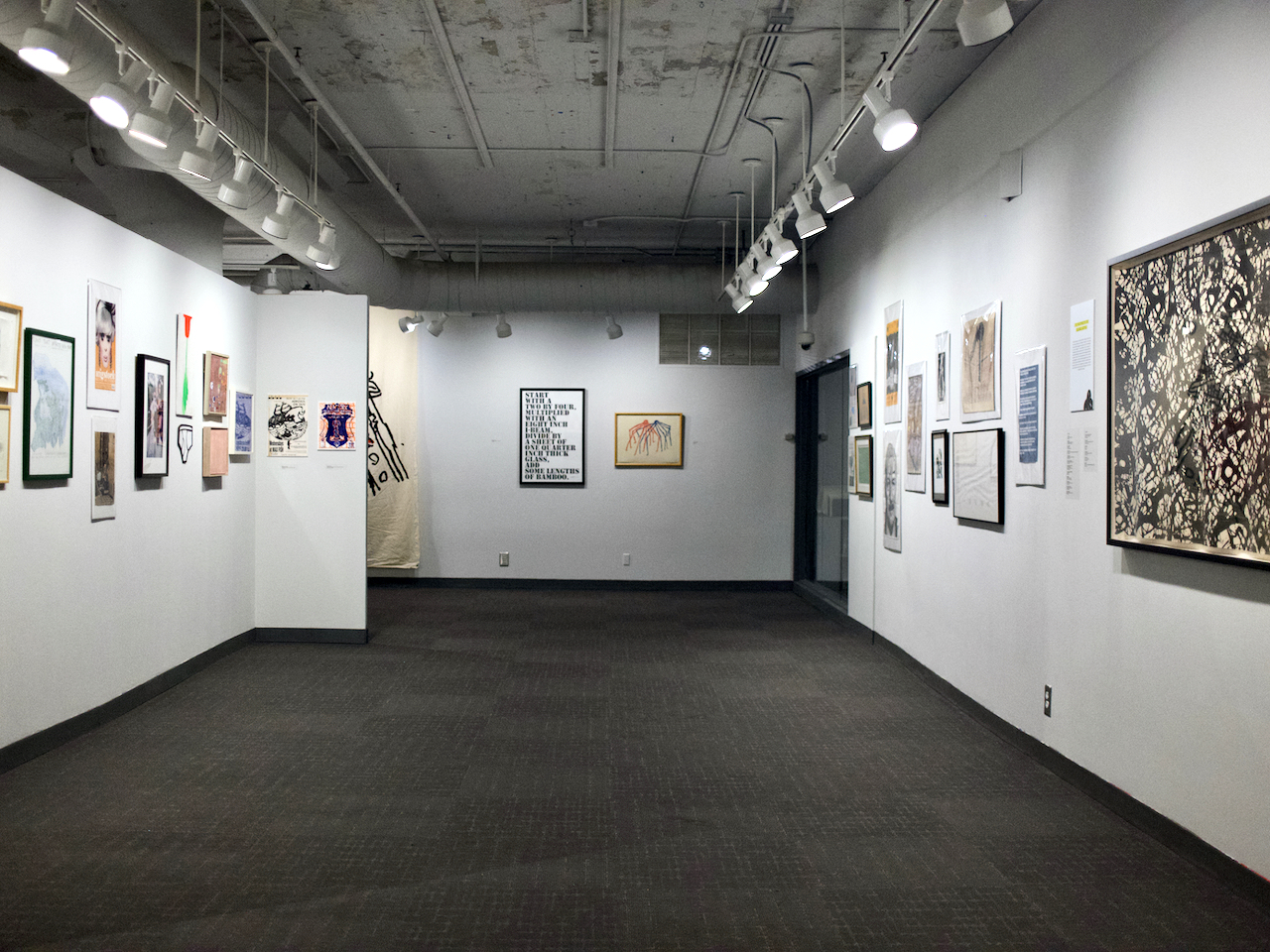
At the peak of the pandemic, seeing exhibitions in person came to a standstill. Everything quickly transitioned to experiencing art exclusively through online exhibitions, events, and workshops, artist talks via video conferencing platforms, and buying art from websites and social media. I found it hopeful to see galleries, institutions, arts centers, and artists pivot to sharing or providing services through varied platforms, maintain their presence, and to continue to connect with their audience. Some thrived by providing safety protocols for the community engagement, some struggled to stay afloat by trying unconventional ways to keep the doors open, while others moved on because no income was coming in.
A lot has happened on how we experience art. Personally, I became selective as to where and how often I would travel to see art. One exhibition I remember seeing in person was “The Alan Moore Project” at the Walker’s Point Center for the Arts in Walker’s Point, Milwaukee, Wisconsin. Alan Moore, along with his mother and father Joan and Burton Moore, assembled a collection of artworks that reflects the counterculture attitudes and art approaches of a disparate group of artists living and working in New York City, especially those who united in a variety of co-ops, collectives, and art groups. The collection was housed in their East Side Milwaukee home where it remained until Joan Moore passed away in the fall of 2020 (Garcia, X. (2021, May 15). The Alan Moore Project. Walkers Point Center for the Arts. https://wpca-milwaukee.org/past-exhibitions/the-alan-moore-project/). I was drawn to this exhibition due to the subject being New York ephemera that told a story captured an art movement via artifacts and artworks.
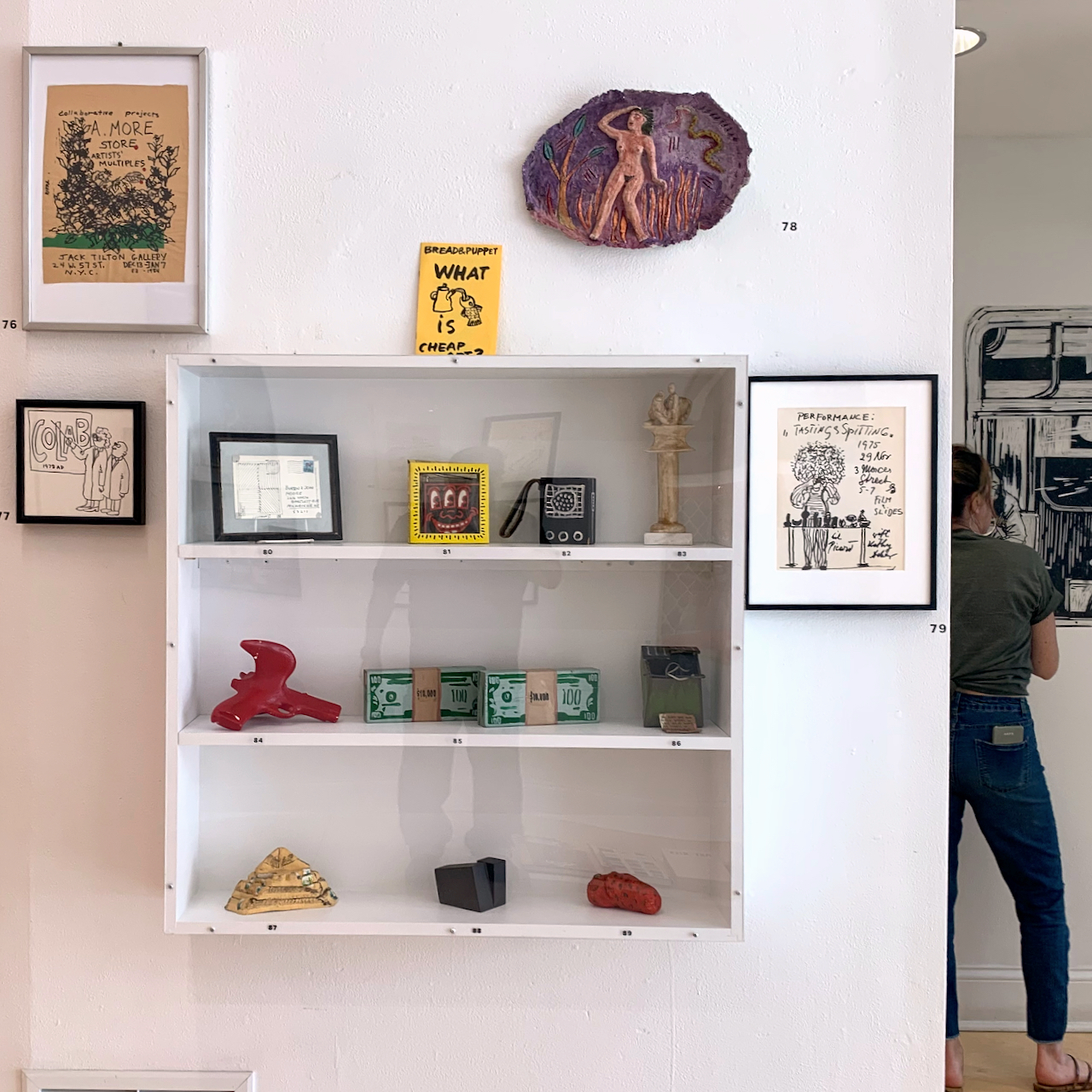
Two years later, I saw on social media that another iteration of this collection was going to be exhibited at the Milwaukee Institute of Art & Design in Milwaukee, Wisconsin. I knew that I had to see this exhibition. I did not realize how extensive and expansive that exhibition was in comparison to the one I saw in 2021. The morning of August 25, 2023, began with a gallery walkthrough with Michael Flanagan, curator. He provided a summary of the exhibition,“Friends, Neighbors, and Distant Comrades: Selections from the Moore Collection of ’80s NYC Art” and gave me the space to absorb this experience. This exhibition contains over 200 works of art curated into different segments methodologically organized throughout the Frederick Layton Gallery. These segments felt like chapters of a book. A journey that takes you from At Home with Joan and Burt: Between Milwaukee and Los Angeles to Arriving in 1970s NYC, Colab and the Times Square Show 1980s to ABC No Rio and Fashion Moda, East Village Art Movement to Requiems, Rivington School and the Subterraneans to Grafitti Art Movement, Return to Order to the Streets for Global Justice, and The “Smalls” in Vitrines. Each segment providing the viewer with a unique perspective of the New York art experience.

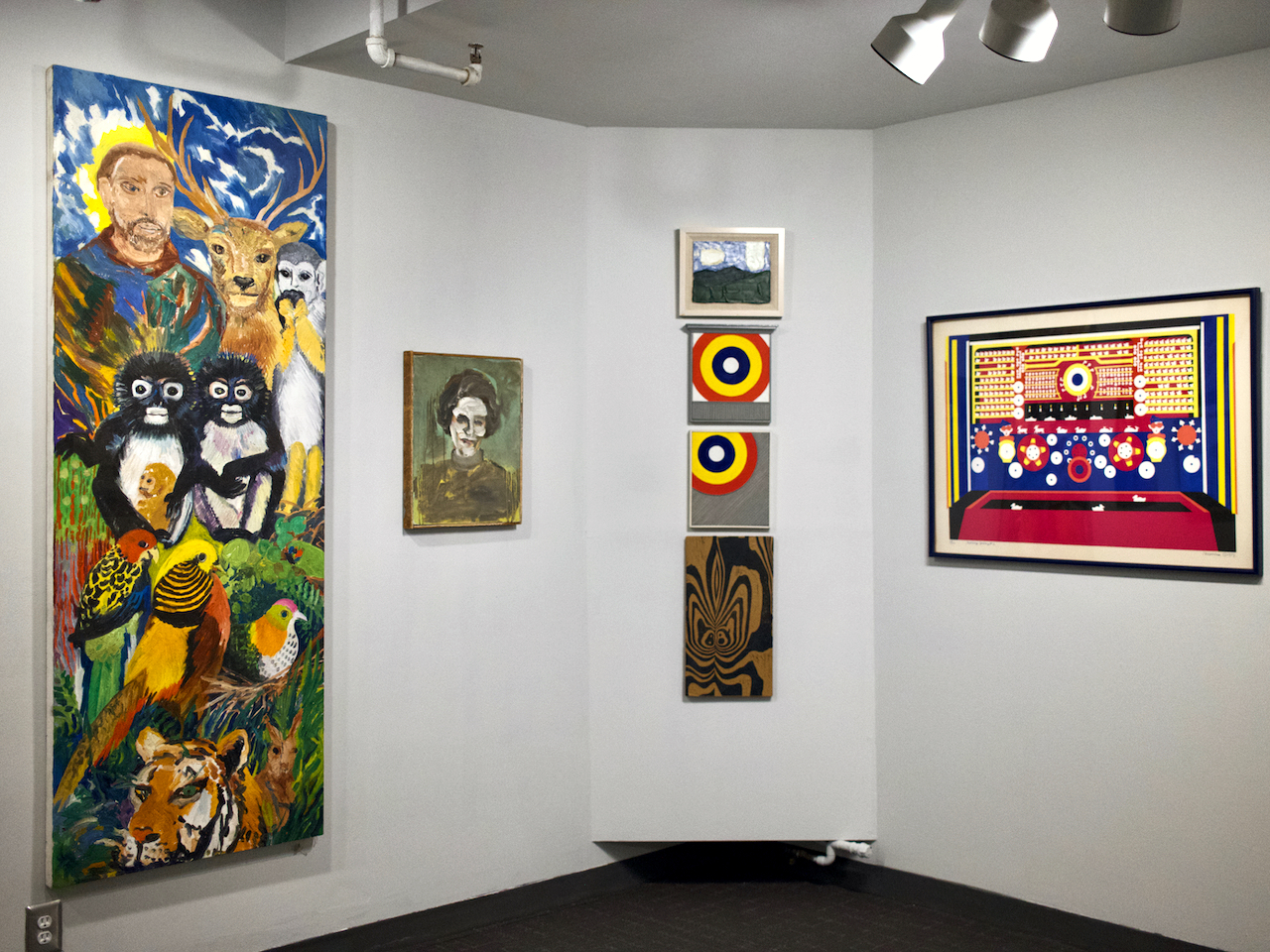
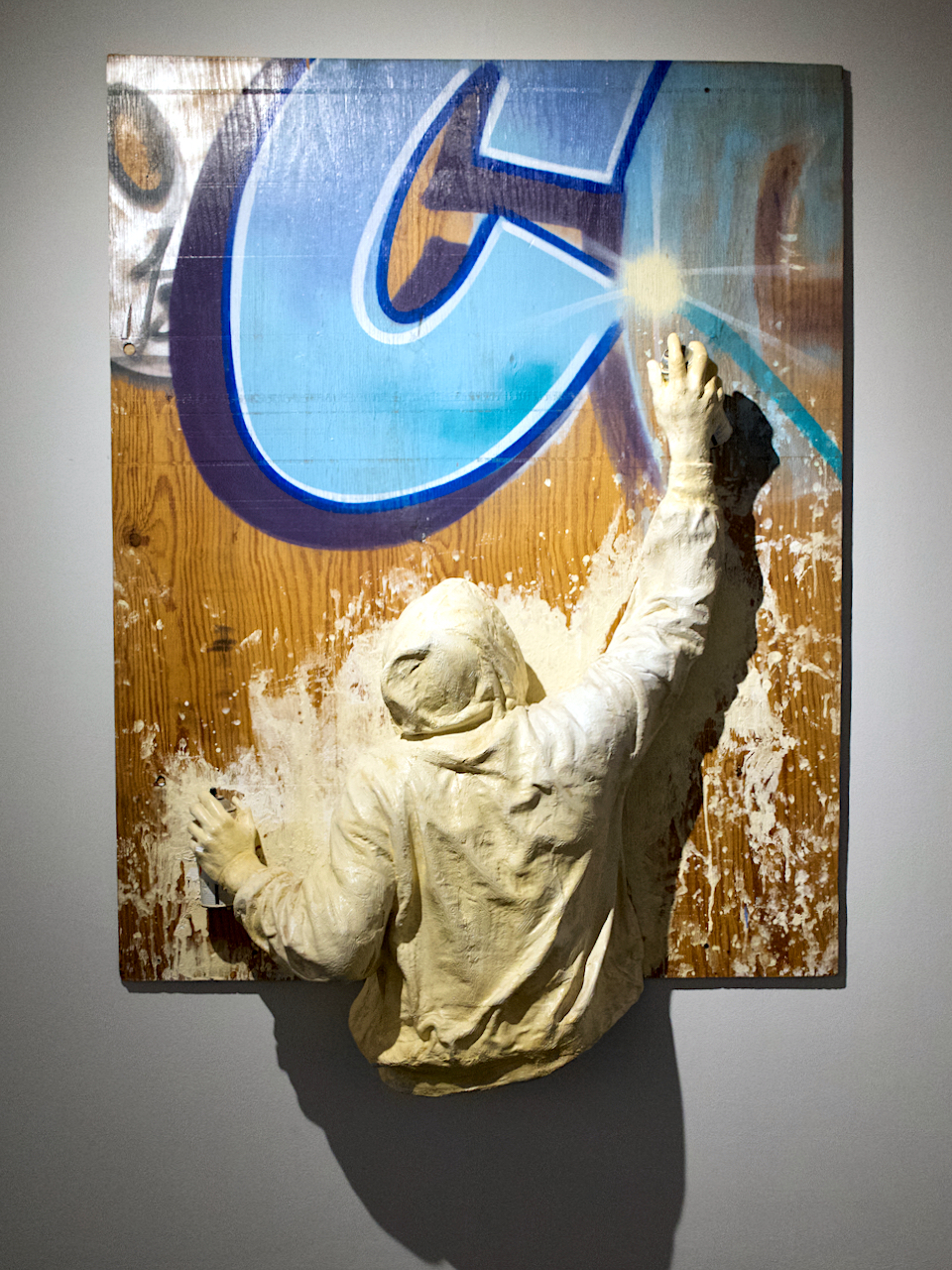
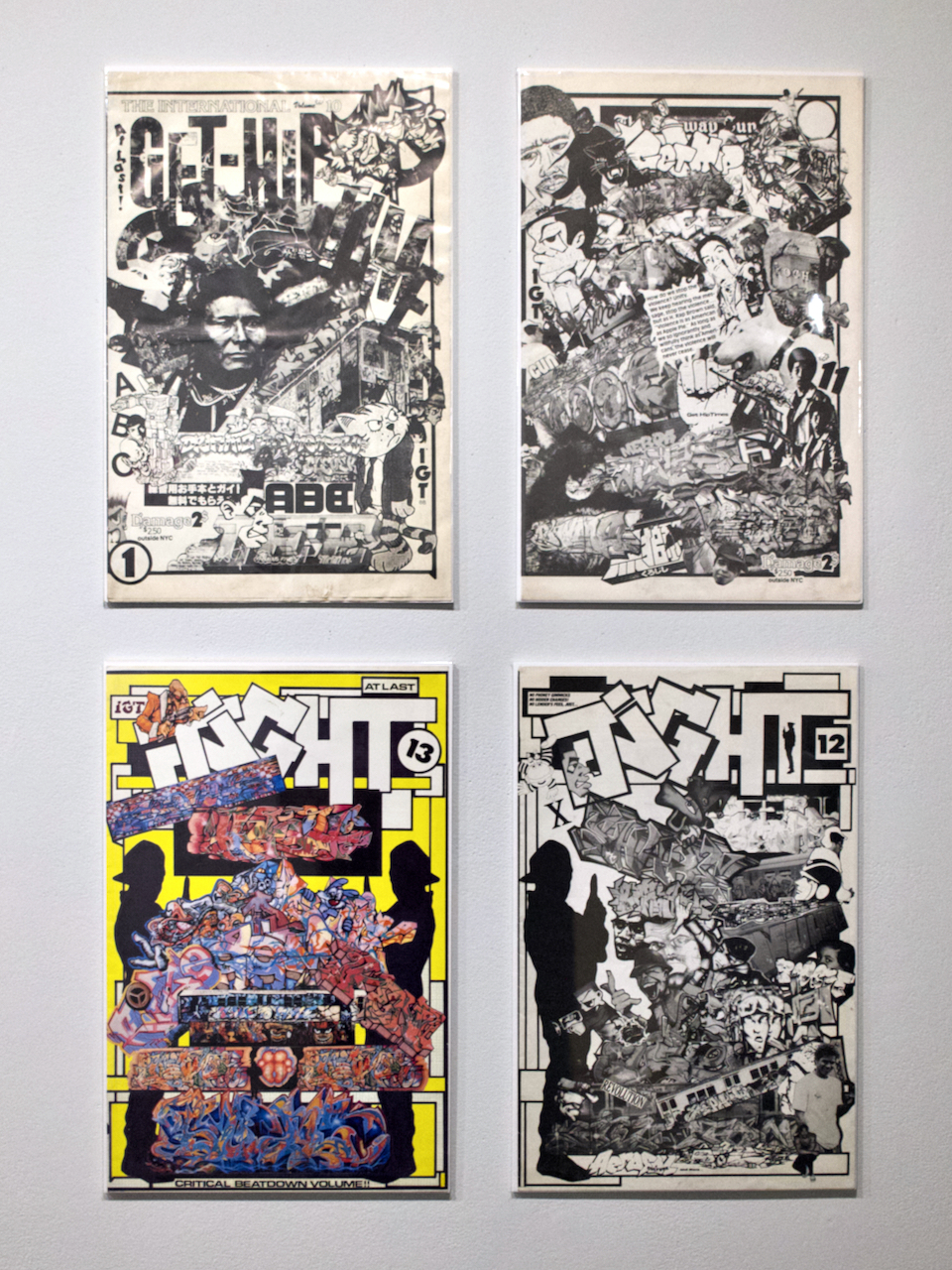

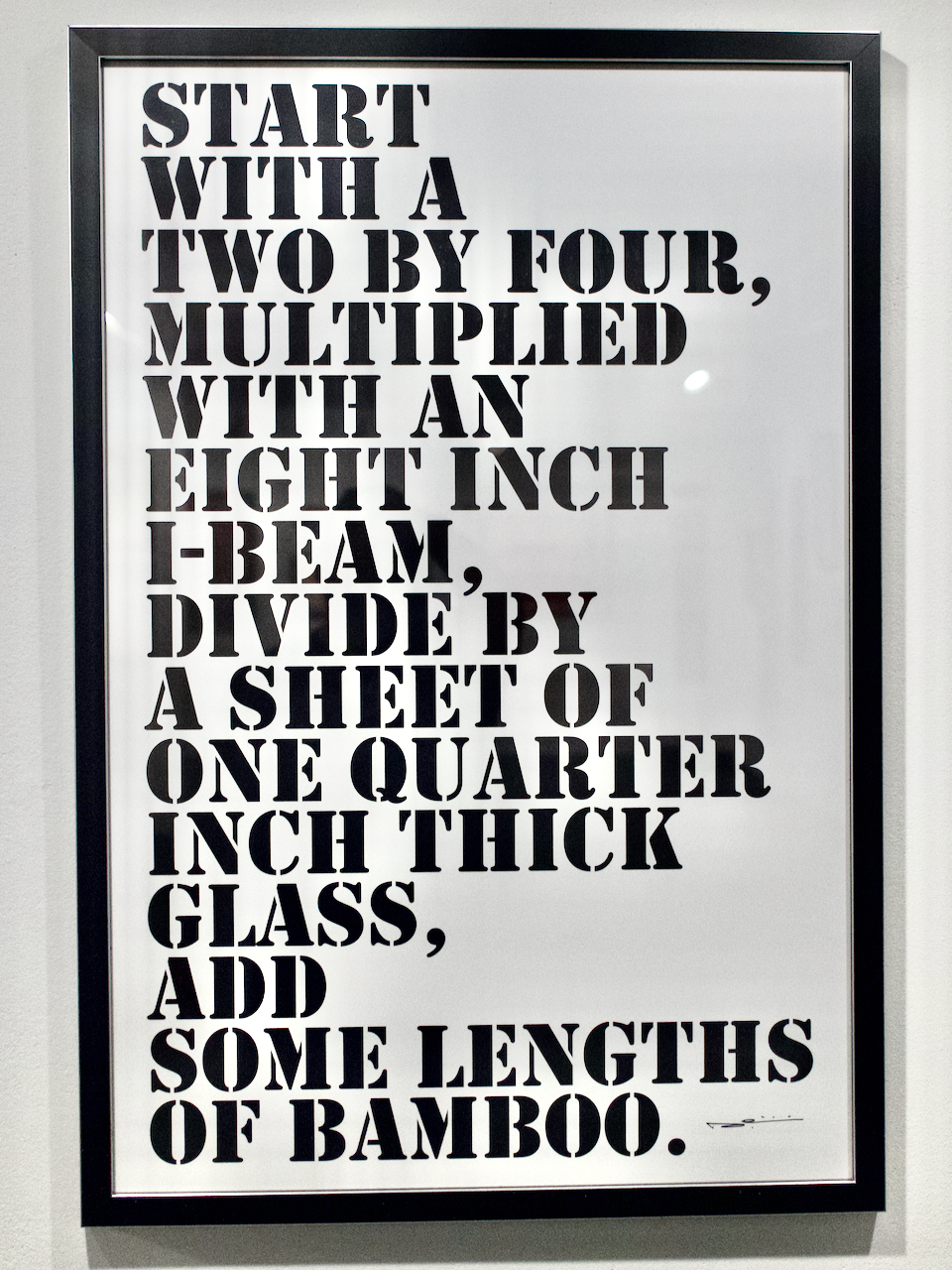
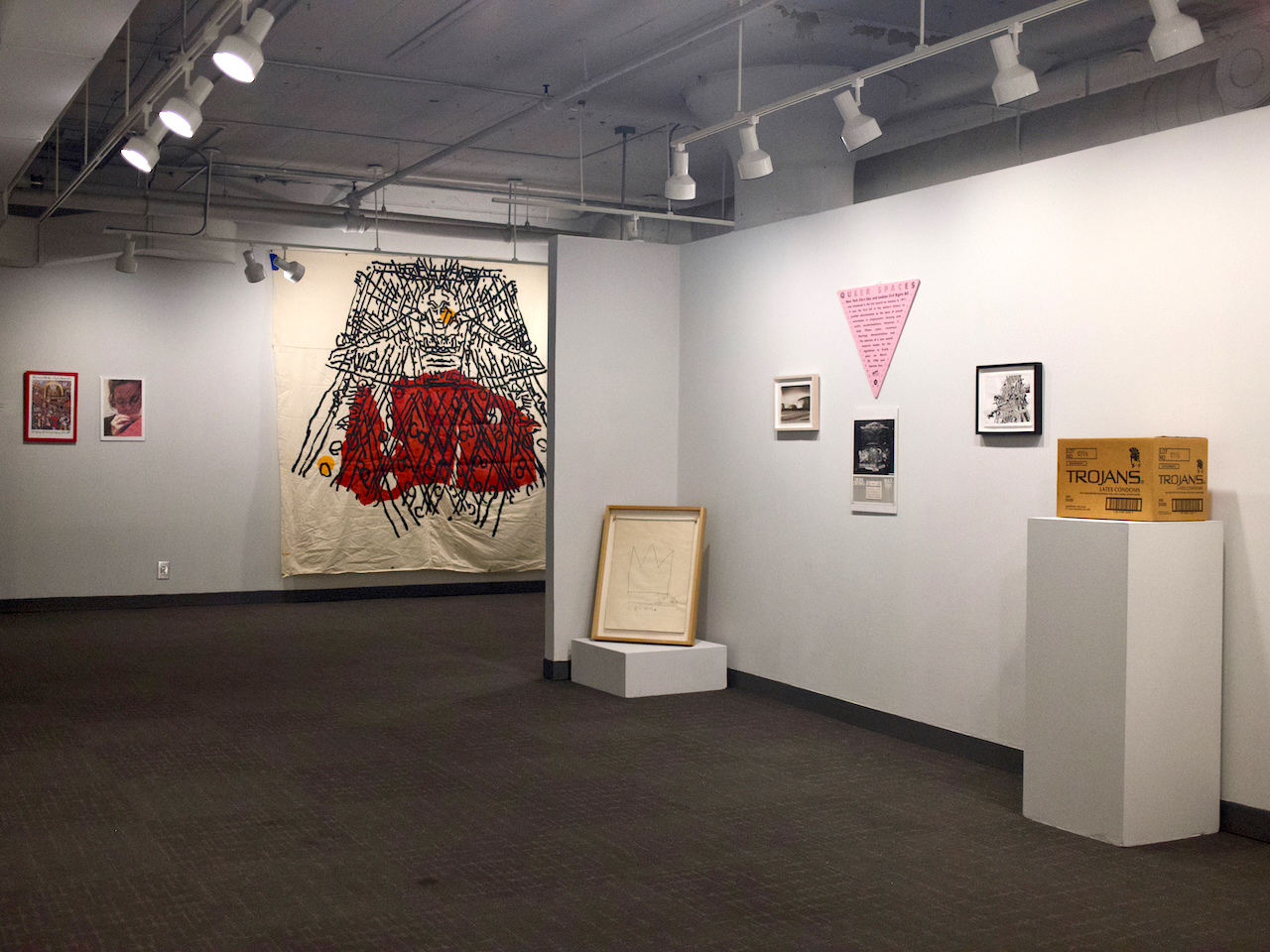
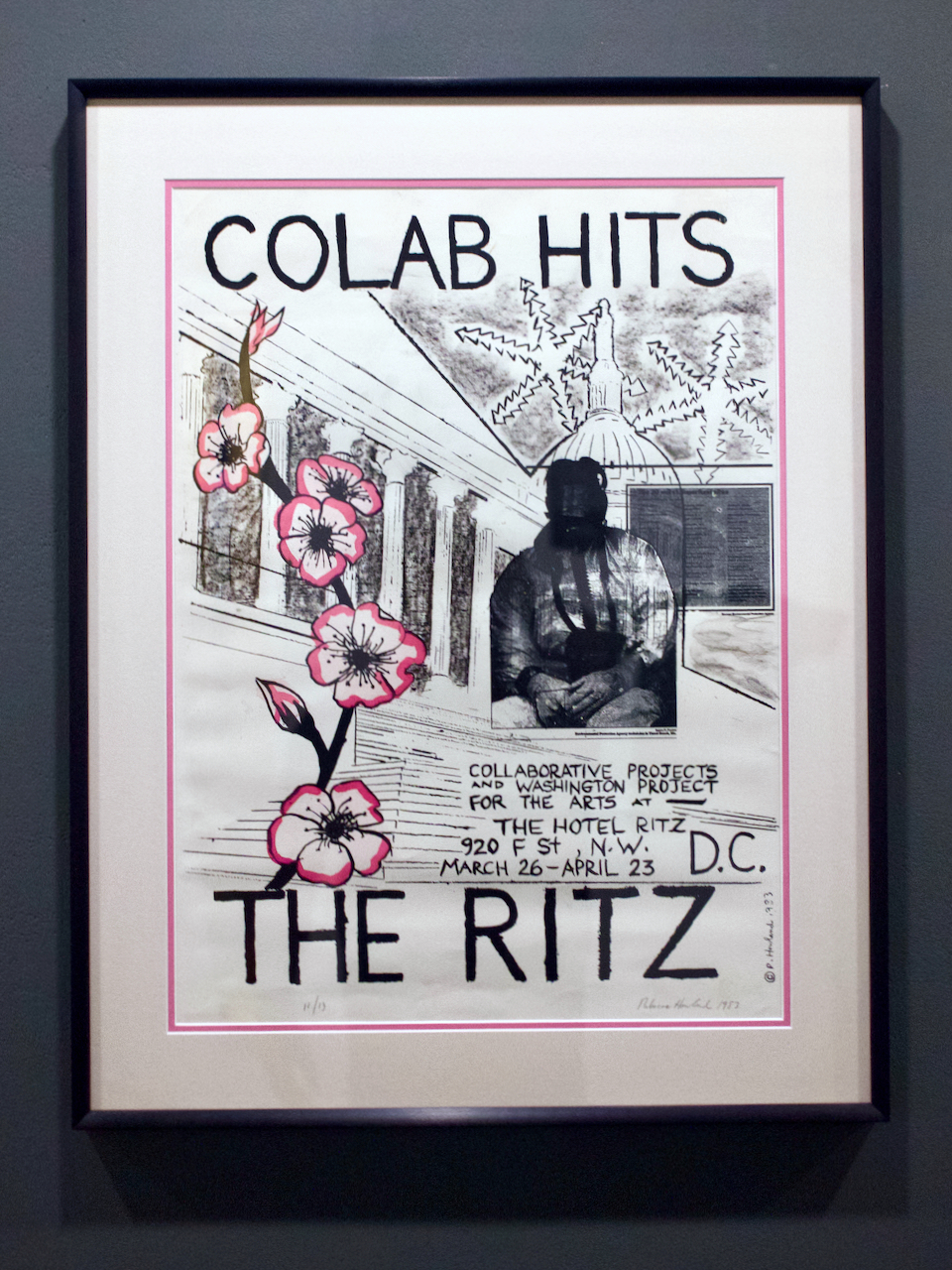
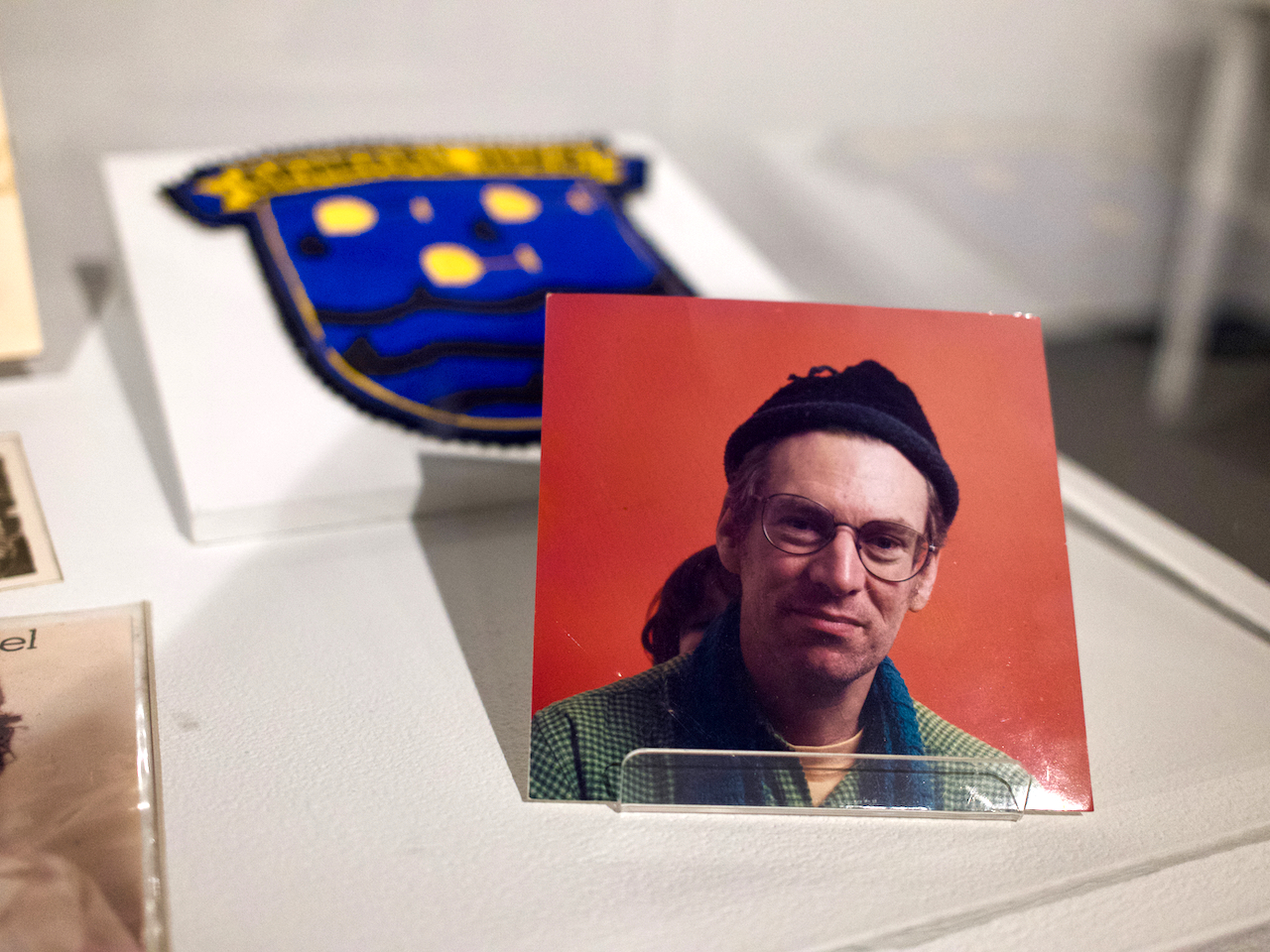
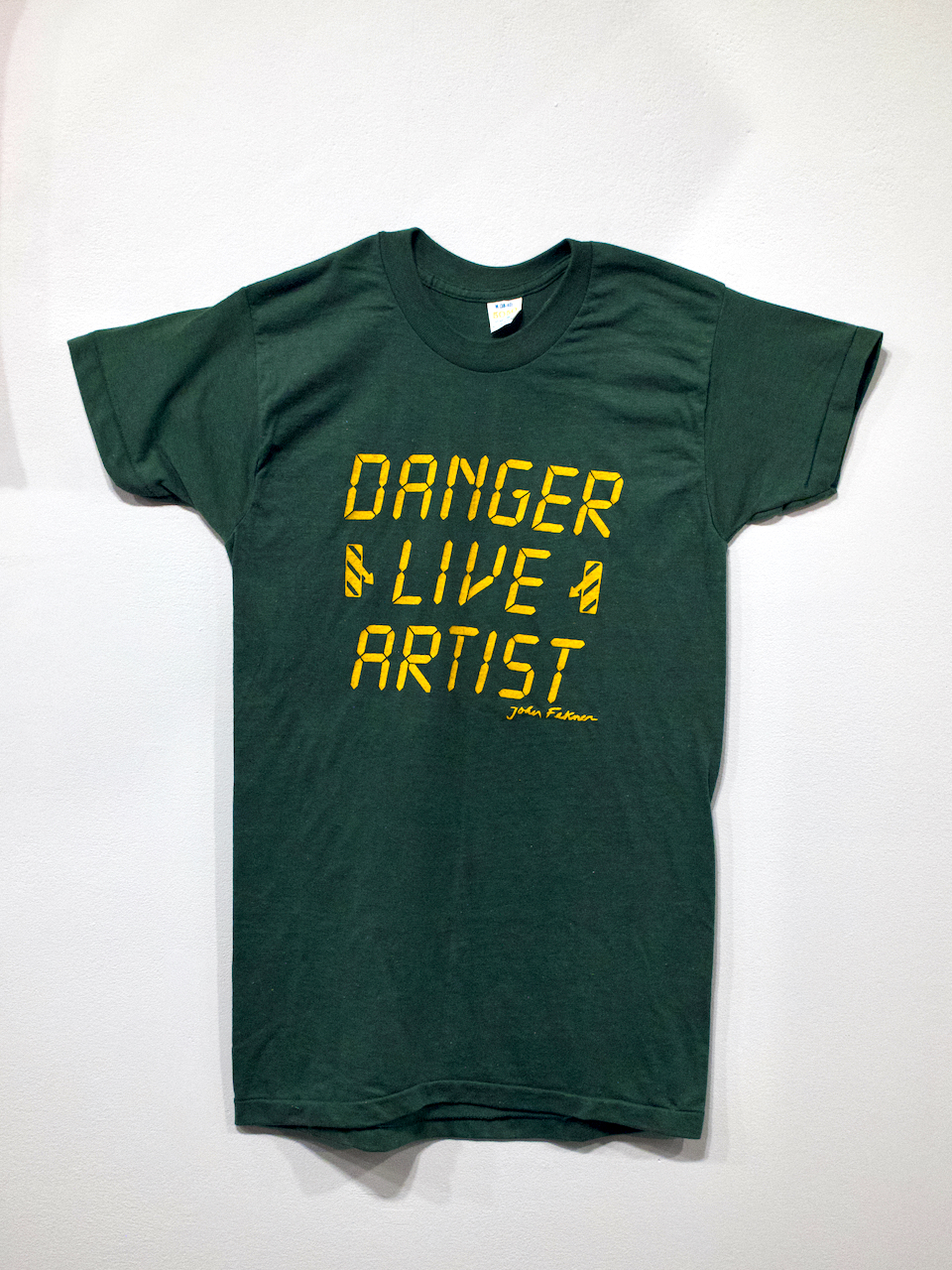
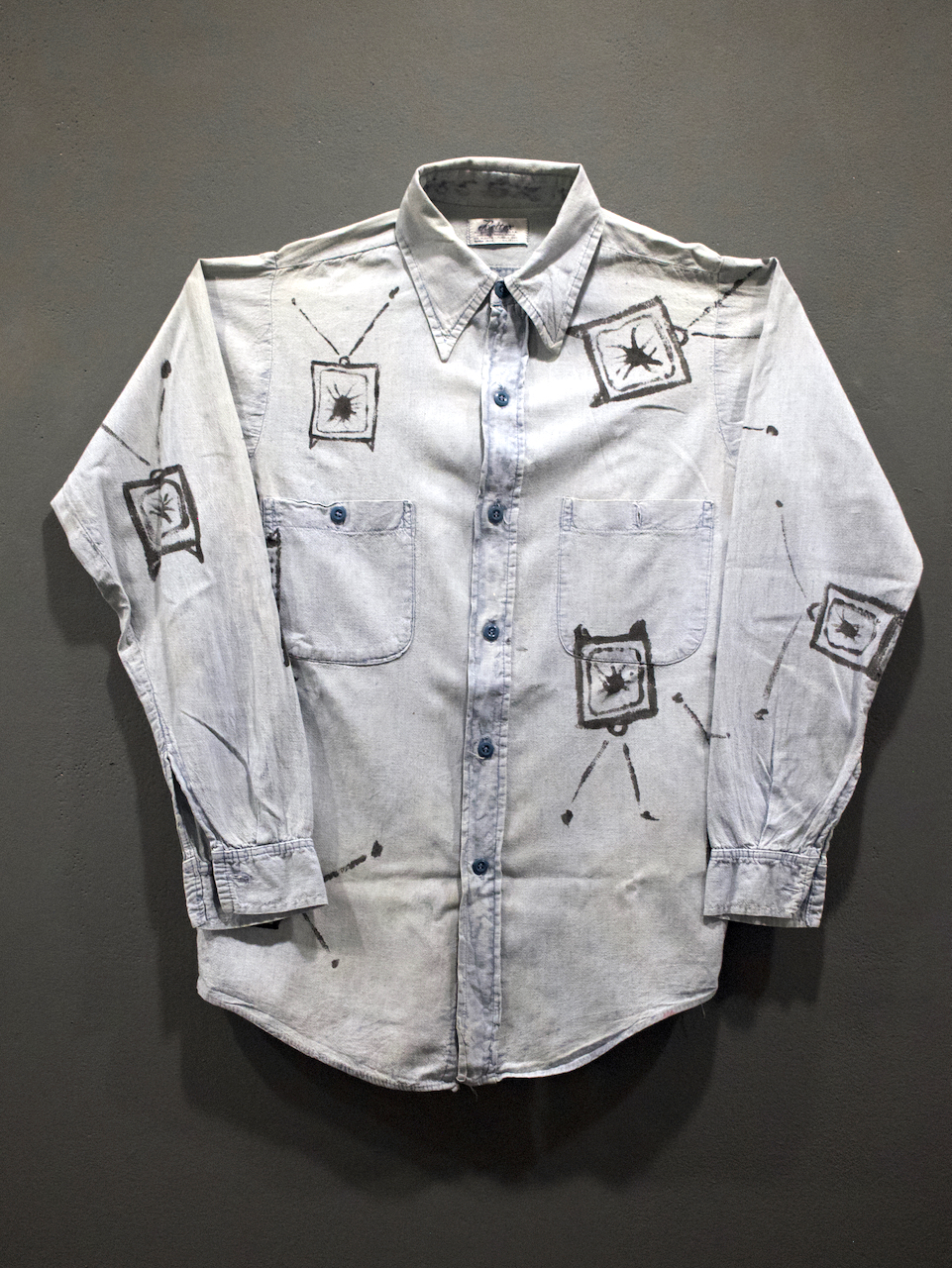
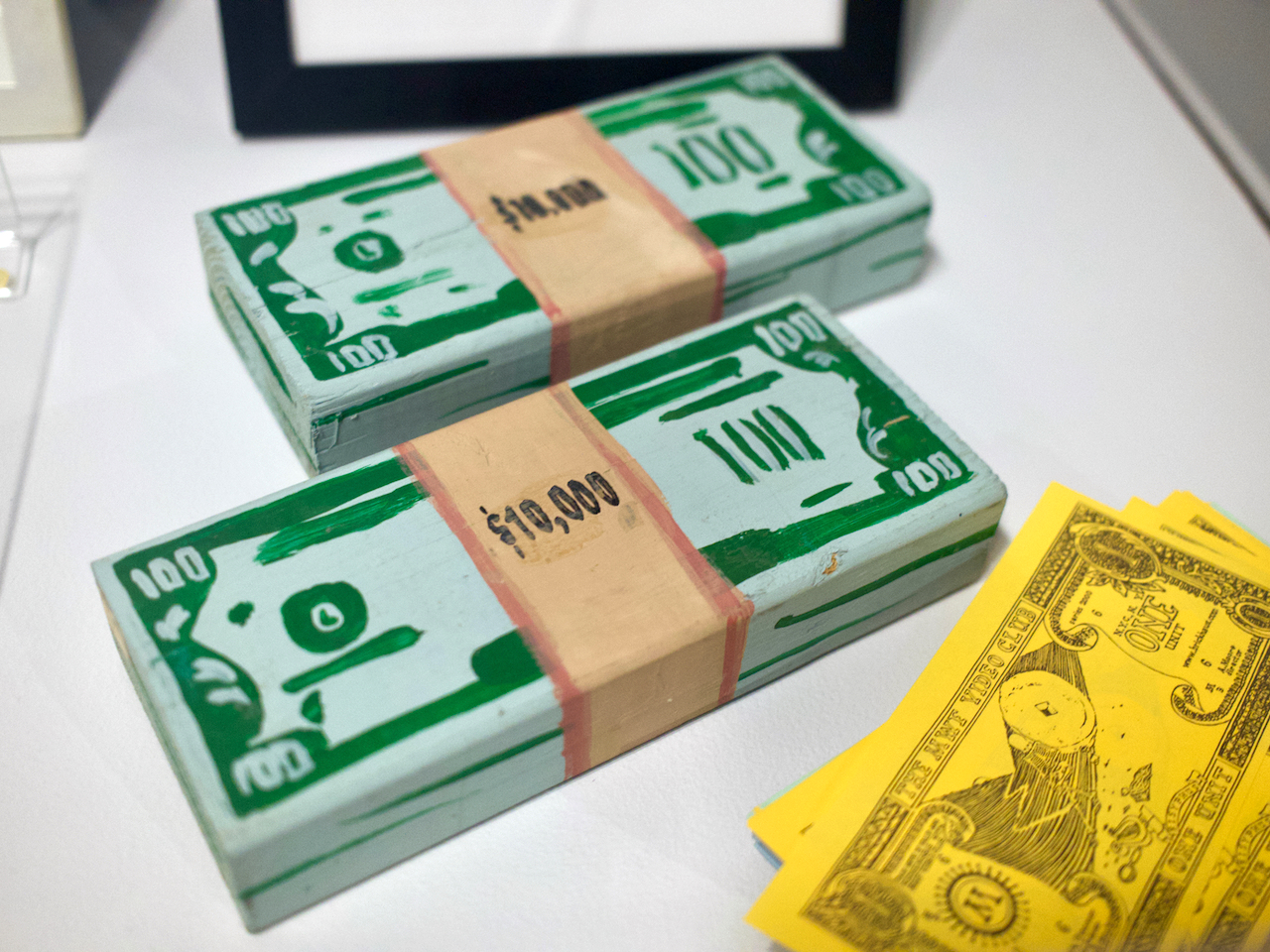
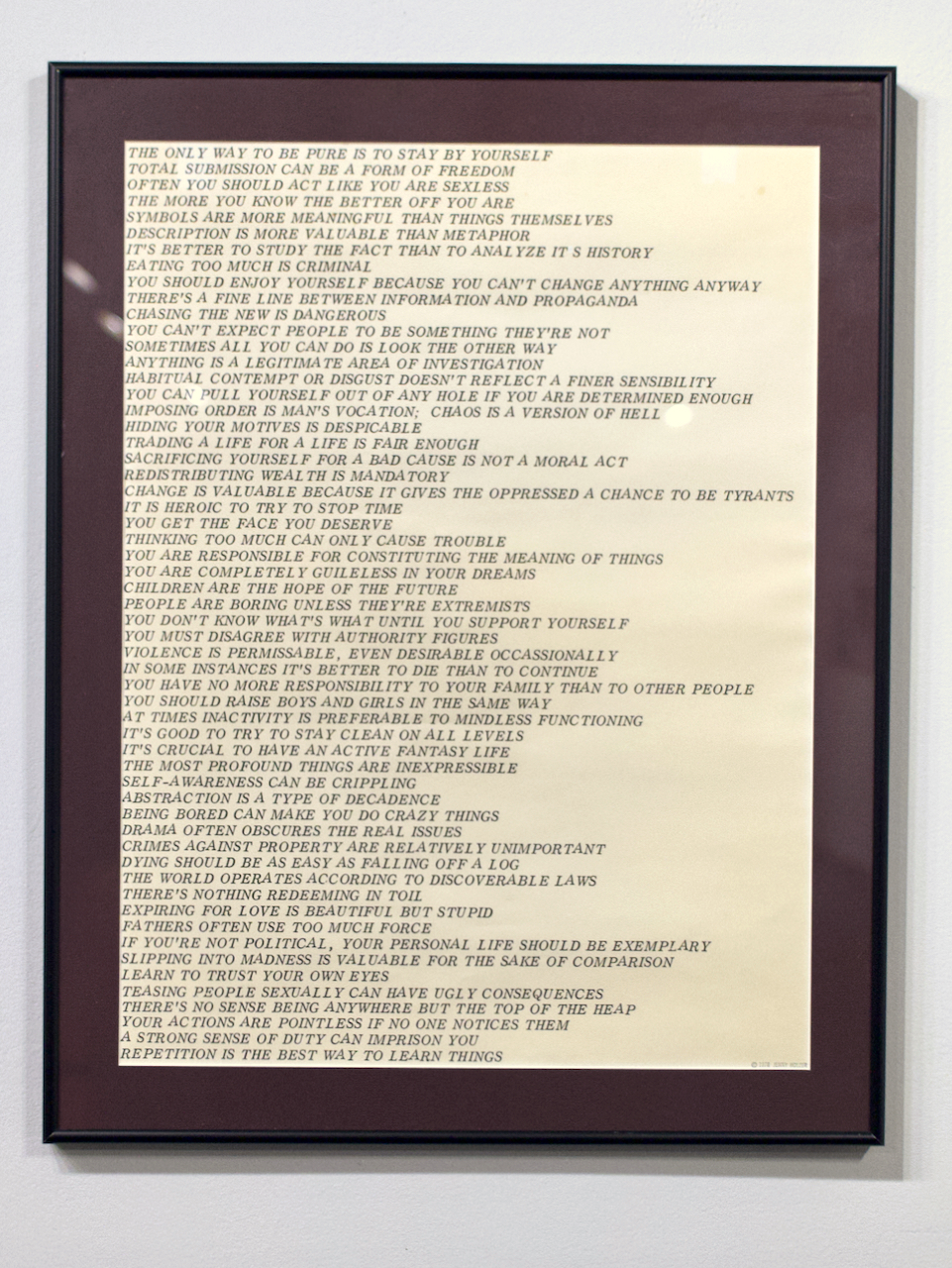
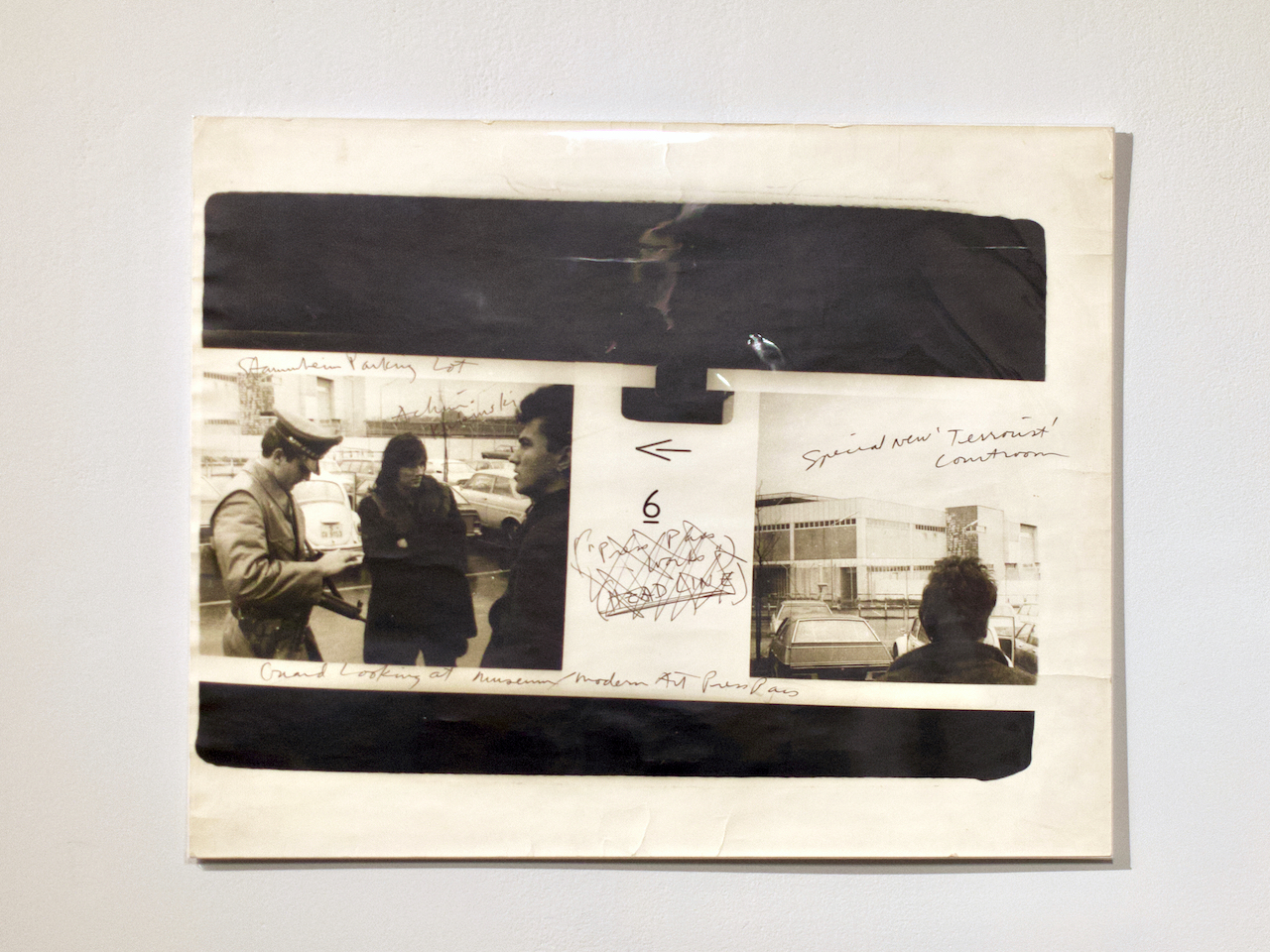
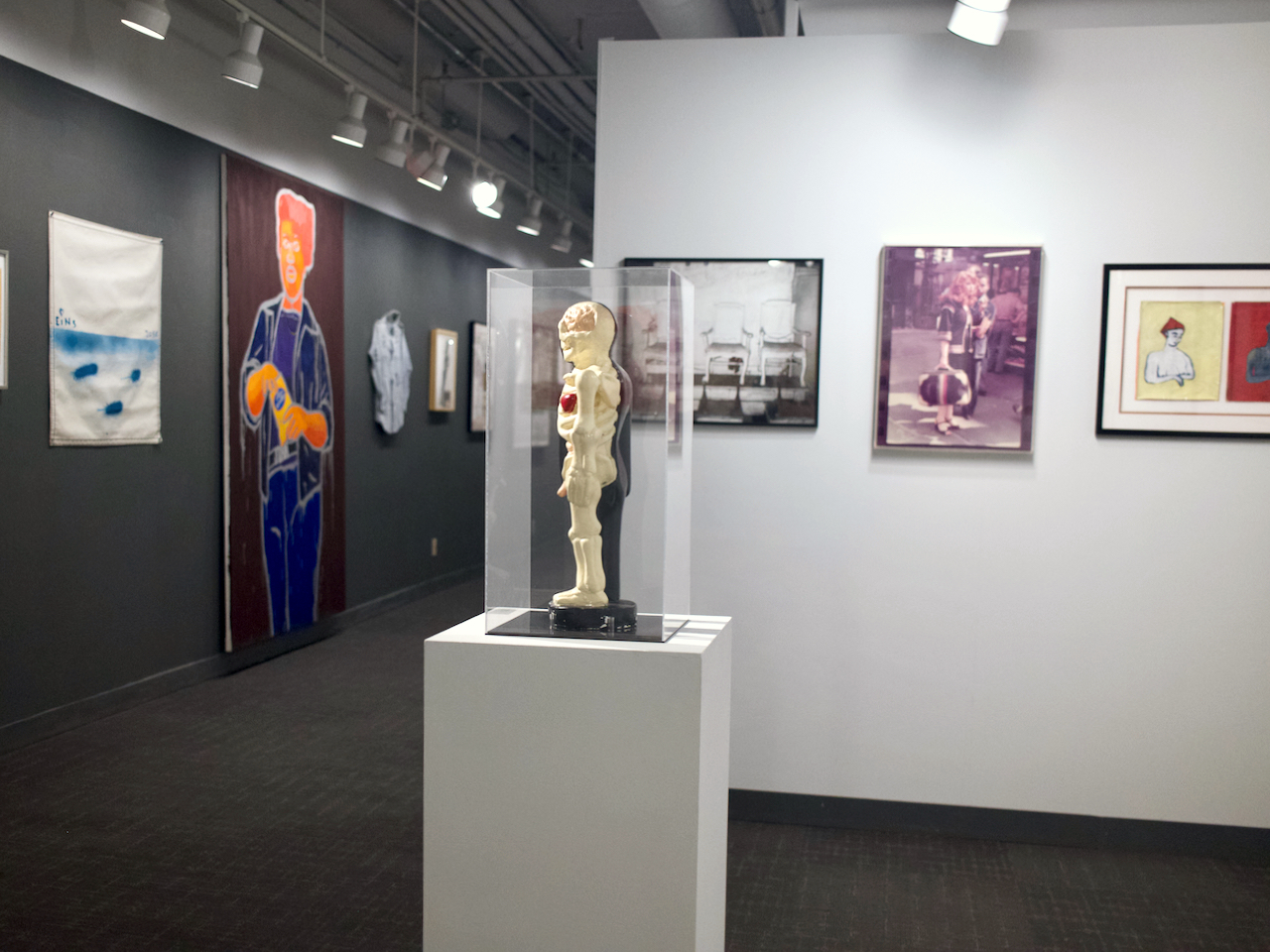
painted plaster. This work, exhibited in the Times Square Show, was among his early works as Otterness moved from two-dimensional works into sculpture.
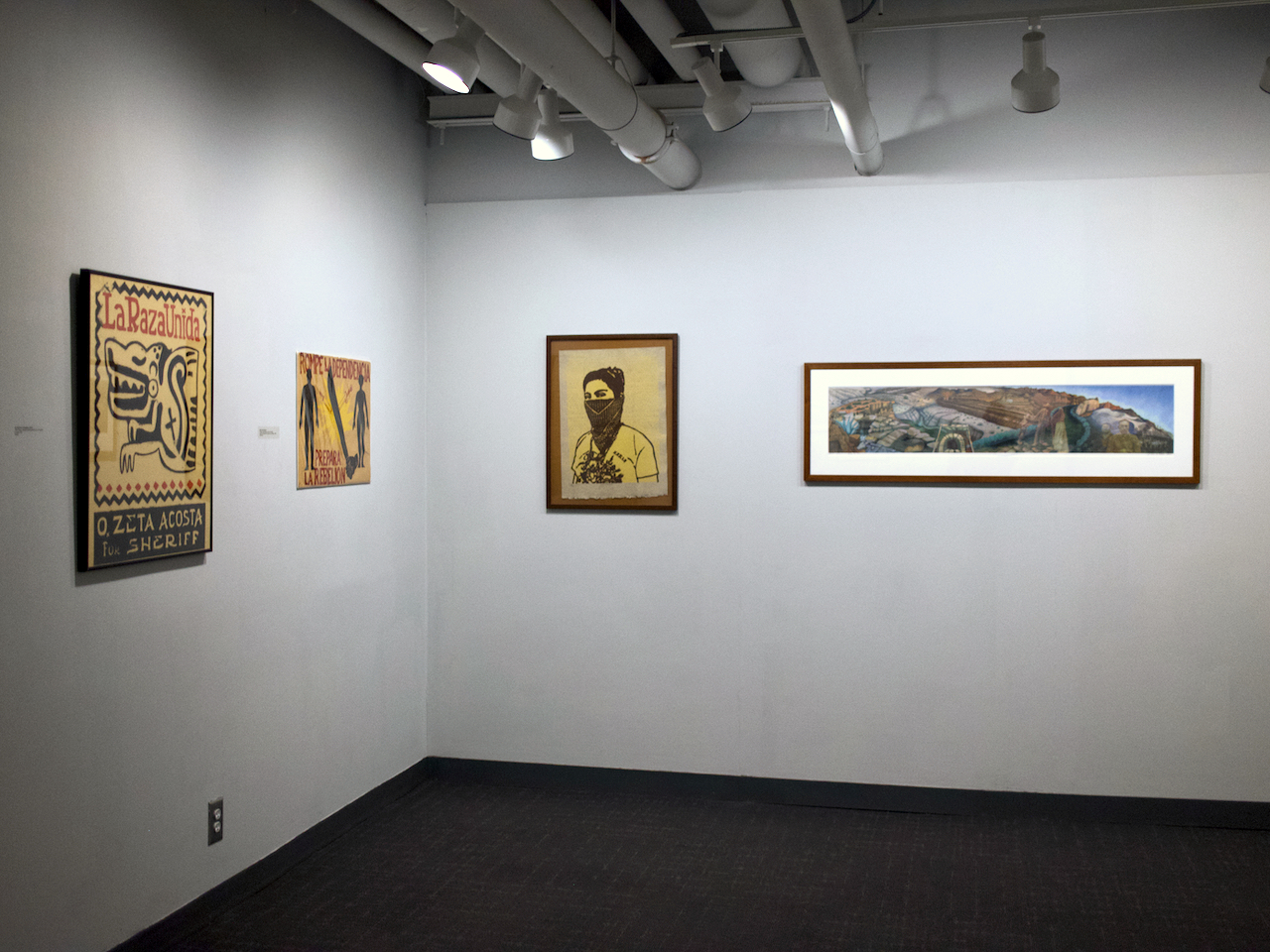
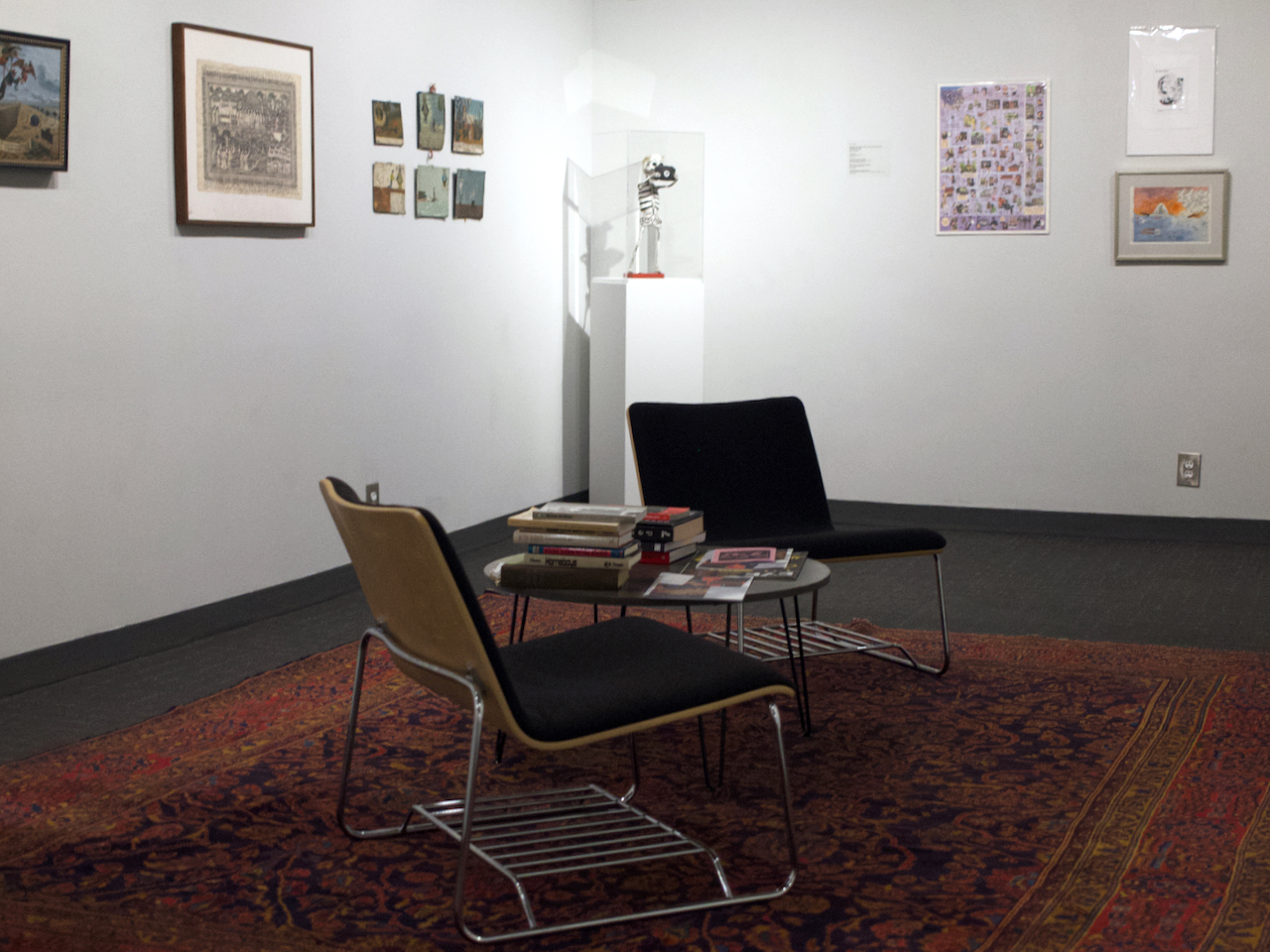
As I walked through the gallery with my camera in hand and reading the labels and placards, I started to think about how preserving history has become a thing of the past and of course, thinking about the Milwaukee art scene. As a collector myself, I pride myself in acquiring items that I connect with on a personal level and not thinking if it will increase in value or have significant meaning someday. I believe Moore might have navigated the New York art scene through the same lens or perhaps he saw something special in the ’70s.
As you stroll through the gallery, you may recognize some of the artworks or names of artists that you might have read in art magazines, seen at galleries and museums, or even artists that you may have follow on social media. One artwork that I immediately recognized was by Rick Prol. I was curious as to the connection he had with Moore. I reached out to him via social media, and he mentioned that “Caliente” was acquired from a FASHION MODA Art Auction Benefit in 1987-1988. In addition to the artwork, the exhibition features publications, prints, sculpture, and installation. Another work that I was drawn to is the East Village Map 2001. According to publisher Marc H. Miller he selected most of the people and locations that were featured in the map and James Romberger and Marguerite Van Cook did the illustration. Miller has known Moore since the early ‘70s when they were co-editors of the book ABC No Rio Dinero: The Story of a Lower East Side Art Gallery (1985).


Left image: Rick Prol, Caliente, 1985. Painting on canvas mounted in broken window frame. Prol did many of his paintings like this, framed by old window frames that were being torn out of renovated Lower East Side apartment buildings. Right image: Ephemera Press, publisher; Marc M. Miller, editor; James Romberger, artist; Marguerite Van Cook, artist; East Village Map 2001, Offset color print. A character map of the Lower East Side district showing where famous artists lived. http://ephemerapress.com/east-village.html. Image courtesy of Marc H. Miller.
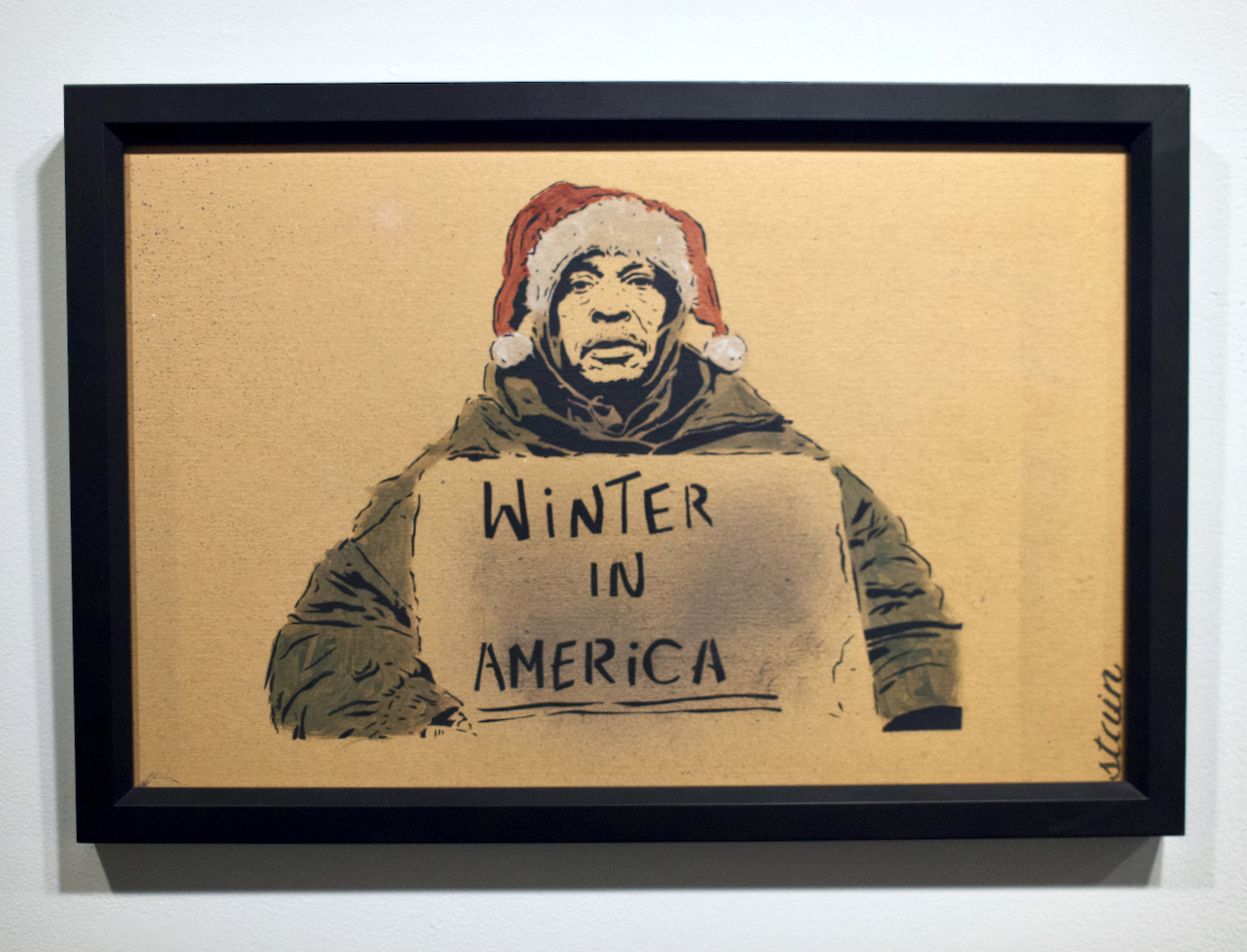
This exhibition features works by Charlie Ahearn, John Ahearn, Richard Armijo, Alfredo Arcia, Dan Asher, Judy Baca, Jesus Barraza, Beehive Design Collective, Susan Simensky Bietila, Black Cat Collective, Richard Bosman, Louise Bourgeois, John Bowman, Chris Bruce, Joseph Bueys, Andrea Callard, Mary Campbell, Collaborative Projects, Inc., Ellen Cooper, Linus Coraggio, James Love Cornwell, Diego Cortez, Curtis Cuffie, Jody Culkin, Peggy Cyphers, Fritz Demmer, De Ramos, Jane Dickson, Rocky Dobey/A.R.A. Toronto, Monique Dolan, Jean Dupuy, Alix du Serech, Richard Eagan, Stefan Eins, Brigitte Engler, Fashion Moda, FA-Q, John Fekner, Peter Fend, Coleen Fitzgibbon, Emily Forman, Luis Frangella, General Idea artists collective, Ilona Granet, Robert Goldman aka Bobby G, Leon Golub, Sam Gould, Richard Hambleton, avid Hammons, Keith Haring, Jenny Holzer, Becky Howland, Luis Jimenez, Nicki Johnson, Allan Kaprow, Kayrock.org, Jon Keller, Julius Klein, Christof Kohlhöfer, Steve Koivisto, Thom Korn, Mark Kostabi, Tuli Kupferberg, Bruce LaBruce, Stephan Lack, Gregory Lawrence Lehmann, Lil Picard, Pedro Linares, Mark Lombardi, Al Loving, Philomena Marano, Melissa Martin, Collin Mathes, Cristino Flores Medina, Anne Messner, Marc H. Miller, Curtis Mitchell, Allan W. Moore, Andrew Moore, Peter Moore, Taylor Moore, James Nares, Joseph Nechvatal, Paulette Nenner, Tom Otterness, Robert Parker, Cissie Pelz, Cara Perlman, PHASE 2, Philip Pocock, Barbara Pollack, William Pope L, Printed Matter, Rick Prol, Red 76, Judy Rifka, Bettie Ringma, Walter Robinson, Adam Rolston, James Romberger, Christy Rupp, Kevin Santos, Ed Sanders, David Scher, David Schimidlapp, Max Schuman, George Schustowicz, Gregory Sholette, Hunt Slonem, Jack Smith, Kiki Smith, Nico Smith, Christ Stain, Swoon, Seth Tillett, Rirkrit Tiravanija, Seth Tobocman, John Torreano, Marguerite Van Cook, Anton van Dalen, Sophie Vieille, Conrad Vogel, April Vollmer, Tom Warren, Julie Weitz, Christian Westpfahl, Bob Witz, Christopher Wool, Martin Wong, Nick Zedd.
About Alan Moore
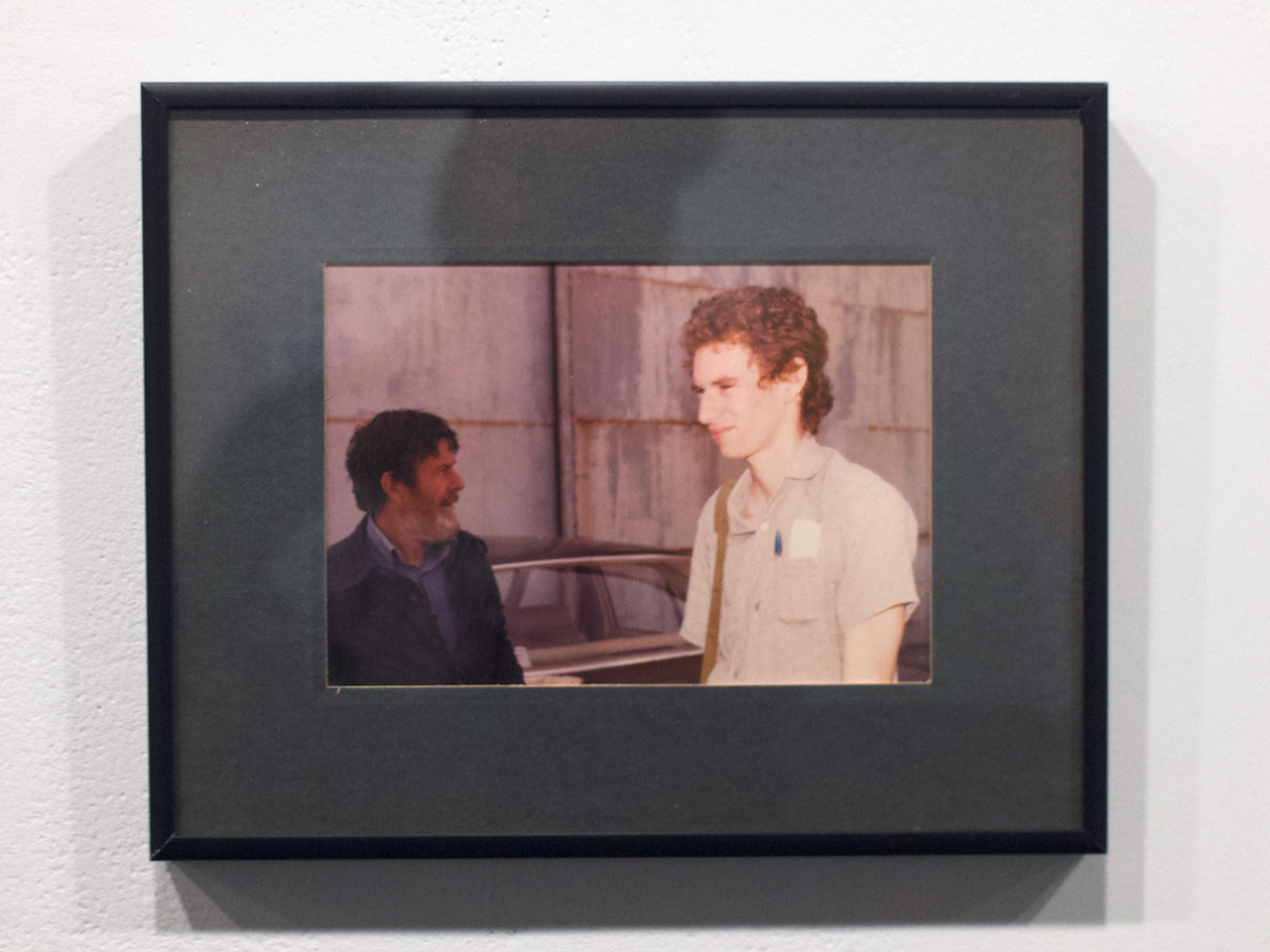
Alan Moore is a writer, collector, and a documentarian focusing on the New York art scene in the ’70s when he moved from California to NYC to work for Artforum. He was introduced to the city’s art scenes and despite not knowing much about it, he quickly became interested and began connecting with artists, art groups, and through the work of his peers.
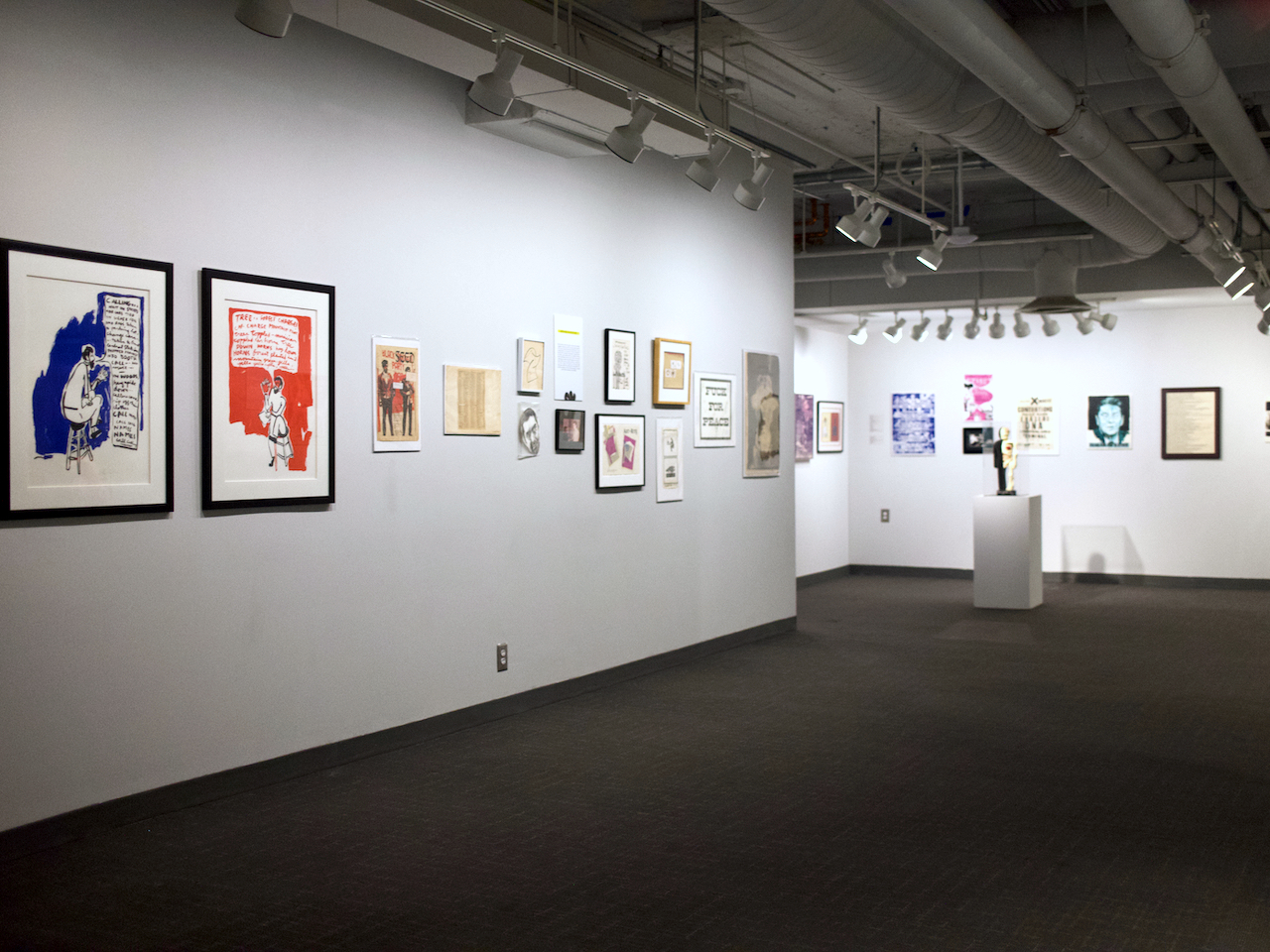
If you go
Friends, Neighbors, and Distant Comrades: Selections from the Moore Collection of ’80s NYC Art
Ends September 16, 2023
Frederick Layton Gallery
Milwaukee Institute of Art & Design
273 East Erie Street
Milwaukee, Wisconsin 53202
Gallery Hours: M-Sa, 10 am – 5pm
MIAD’s gallery are free and open to the public.
Upcoming Events
Artist Talk – Robert Goldman (Bobby G) and Andrea Callard
Thursday, September 7, 2023 | 6 p.m.
MIAD Community Hub, Room 160, 273 E Erie St., Wisconsin 53202
Performance by Jack Waters and Peter Cramer
Thursday, September 14, 2023 | 11 a.m.
MIAD Union Auditorium, 273 E Erie St., Wisconsin 53202
Closing Reception and Lecture
Friday, September 15, 2023
5 – 6:30 p.m. | Alan Moore and Dr. Mysoon Rizk lecture
6:30 – 8:30 p.m. | Closing Reception
Frederick Layton, 273 E Erie St., Wisconsin 53202
All images by © 2023 Artdose Magazine. Except for the East Village Map 2001. Courtesy of Marc H. Miller.